
The usual fixes, $150–$600
Elements, thermostats, thermocouples, relief valves: the parts that actually fail, tested and swapped in one visit.
Cold water at 6am feels terminal, but the autopsy usually finds a $40 part, not a dead system. We test before we talk replacements, carry the common failures on the van, and put Double Bay households back under hot showers the same day, saving the new-system quote for tanks that have honestly earned one.
Here is the industry’s quiet incentive problem: a thermostat is a modest job and a new system is a four-figure one, so guess which gets recommended to people standing in cold water. Yet the actual failure list is boringly repairable, electric tanks lose elements and thermostats, gas units lose thermocouples and pilot assemblies, continuous-flow systems flash error codes that decode to a sensor or a flow fault. Metered, tested and swapped, most of these are same-day fixes at a fraction of replacement money.
Our rule in Double Bay is simple: the multimeter and manometer speak first. When the verdict is a part, you get the part. When a tank is genuinely at the end, cylinder weeping, second major failure, double-digit age: you get both numbers side by side and the reasoning in plain English. What you will never get is a replacement quote built on nothing but your cold shower and our convenience.
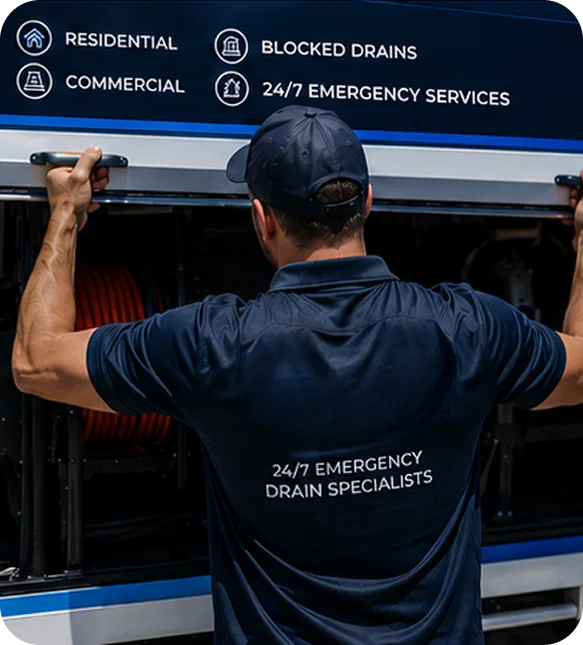
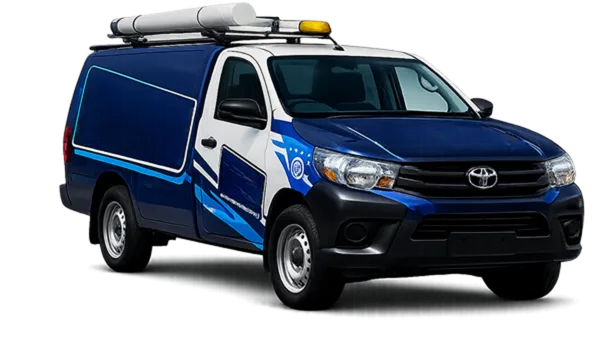
The most common fault we find in commercial hot water is not a fault at all: a unit specified for the premises as it was five years ago, serving a business that has since grown.
Efficient replacements are often simply unavailable in a block. energy.gov.au notes gas heaters are usually installed outdoors because of venting requirements, and heat pumps need open air to draw from, neither of which a third-floor cupboard offers.
The tell is hot water that runs out at the same point in every service rather than failing randomly. No repair fixes an undersized system, and continuing to service one hard is what shortens its life.
Isolating one apartment without dropping hot water to the rest of the building, and getting strata approval where the system sits on common property, usually takes longer than the plumbing itself.
Units mounted outside in a humid, water-adjacent setting corrode at the casing and the fittings well before the cylinder itself gives up. The failure looks sudden and has usually been visible for a year to anyone who looked.
A five-minute look at the top fittings and the base of the casing once a year is the entire maintenance requirement, and it reliably converts an emergency into a planned replacement.
Water heating is the second largest segment of household energy use, between 15% and 30% (energy.gov.au), so the unit fitted today stays on the bill for years. We quote the repair and the replacement together rather than defaulting to a like-for-like swap.
In an apartment this is the first question, because it decides who arranges and pays for everything that follows. A unit inside your lot serving only your apartment is yours. A central plant serving the building, or a unit sitting on common property, is the owners corporation's.
Check your strata plan before you authorise work, not after. It is the difference between a bill you owe and one you can hand on.
A commercial changeover is a bigger job than a domestic one, larger units, three-phase in some cases, and often a location that was never designed to be worked in.
So we plan it around your trading hours rather than ours, and where the gap cannot be avoided we will tell you how long it genuinely is before you commit. A temporary unit is sometimes possible and is worth asking about.
Properties near the water are more likely to sit unused for stretches, and a hot water system does not enjoy that. Stagnant water accelerates anode consumption, and a unit that has sat for months frequently fails within days of being brought back into use.
Double Bay is Sydney’s chic harbourside village (postcode 2028), a mix of boutiques, eateries and waterfront homes bordering Bellevue Hill, Point Piper and Darling Point. Between busy strips and older buildings, blocked drains are part of daily life here, and we know them well.
If a property is left for a season, isolating and draining the unit is worth the twenty minutes. Bringing it back slowly, with the tank refilled before power or gas is restored, avoids the most common restart failure.
Elements, thermostats, thermocouples, relief valves: the parts that actually fail, tested and swapped in one visit.
Gas valves and continuous-flow control boards, on systems young enough to deserve the investment.
Installed, like for like. Gas storage lands at $1,200–$2,200 installed.
Installed. Endless hot water, nothing to rust through, and the cupboard back.
Installed, after rebates: and the cheapest of everything to actually run. Worth the comparison on every replacement.
Repair or replace, you get both numbers side by side and the price is fixed before work starts. Figures here are indicative of the 2026 Sydney market rather than a quote from us, you get your own number as a fixed price before any work starts.

System type, age, and what it is doing: that is usually enough to bring the likely part on the van and tell you honestly whether today ends in hot water.
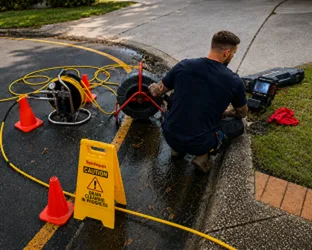
Elements get metered, thermostats tested, gas components checked in sequence. The diagnosis is what the meter says, not what sells best.
A repairable fault gets repaired on the spot. A dying tank gets you the repair price and the replacement price side by side, and the call stays yours.
If it is a replacement: delivered, installed to spec: tempering valve, relief drain, compliant connections: old unit carted away, hot water the same day in most cases.
Early calls usually shower hot the same night. Tell us the system on the phone and the likely part rides out on the van.
Instruments before invoices, parts before replacements, and a fixed price before either.

Leave your details and our local Double Bay team will call you back fast.