
Call-out fee, $80–$180
What most Sydney plumbers charge to attend. Ask for it up front, anyone who will not name it on the phone is telling you something.
When water is coming through the ceiling, the useful question is not "who opens at eight", it is "who answers now". We do. Around the clock across Double Bay, a licensed plumber picks up, talks you through making it safe, and gets a crew moving.
The honest test: is water, waste or gas going somewhere it should not, and getting worse while you watch? A burst pipe, sewage backing up into the shower, a hot water tank dumping its load through the ceiling, or any smell of gas, those are emergencies, and waiting until morning multiplies the damage bill. Your first move for a burst pipe is the water meter: turn the stop valve clockwise and the flooding stops while we drive.
Then there is the category people apologise for calling about, the toilet that will not flush in a one-bathroom house, the blocked drain the night before an inspection, no hot water with a newborn at home. Call anyway. We run genuine 24/7 coverage across Double Bay, Bellevue Hill, Point Piper, Darling Point and the wider Eastern Suburbs, and an after-hours call gets a plumber, not a promise of one tomorrow.

Grease does not block a line suddenly. It narrows it over months, and the failure arrives on the night of the highest load, a full service, a function, a long weekend.
Double Bay’s many cafés and restaurants send fats and oils into the sewer, where they set hard. We clear grease-choked lines and keep them flowing.
That is why the useful question after a commercial blockage is not what went down the sink tonight, but when the trap was last pumped and the line last jetted. We will give you both dates from what the camera shows, and a realistic interval to keep to.
Two separate systems run under most properties around Double Bay: stormwater, which takes rain from roofs and yards, and sewer, which takes everything from inside the house. They are not supposed to meet.
Streets sloping down to the bay move stormwater fast, and blocked pits back up in heavy rain. We clear them quickly to stop flooding.
When they do, an illegal connection, a cracked line, a surcharging pit finding its way into the wrong pipe, heavy rain overwhelms a system never built for it, and the symptoms appear indoors. Working out which system has actually failed is the first thing we do, because the repair, the cost and who is responsible all follow from it.
The slowest part of an apartment emergency is often not the plumbing, it is the door. Fob access, a basement that needs a resident to open it, a car park with no after-hours entry: any of those can add half an hour while water is still running.
Many blocks of flats and mixed-use buildings share drainage, so one blockage affects several units. A camera pinpoints the problem.
Two things worth doing before you ever need them: find your lot's isolation valve, usually in the laundry or a hallway cupboard, and save the building manager's after-hours number in your phone. Both take five minutes on a calm evening and both save real time on a bad one.
Double Bay is Sydney’s chic harbourside village (postcode 2028), a mix of boutiques, eateries and waterfront homes bordering Bellevue Hill, Point Piper and Darling Point. Between busy strips and older buildings, blocked drains are part of daily life here, and we know them well.
On sloping ground the problem is rarely where the symptom is. Water leaves a failure at the highest point and surfaces at the lowest, which can be several properties away and well downhill of anything you would think to look at.
It is also why a neighbour's overflowing gully is sometimes your blocked line, and occasionally the reverse. We work uphill from the symptom rather than digging where the water appears.
A yard that floods in every serious downpour is a different problem from one that flooded once in a freak storm. The first is a blocked or undersized line and it will keep happening; the second is weather.
Telling them apart takes a camera on a dry day, not a guess in the rain. If it has happened twice, book the inspection between storms, clearing a surcharging pit at the height of it costs more and tells you less.
Heavy rain arriving on a high tide is the combination that fills yards near the water. Stormwater that normally drains away has nothing to drain into, so it backs up through the pits instead, which is why a blocked line around here shows itself in the garden long before it shows itself indoors.
If your yard has filled more than once, the pit is telling you something. Clearing it during the storm is emergency work; finding out why it filled is a twenty-minute camera run on a dry day, and considerably cheaper.
What most Sydney plumbers charge to attend. Ask for it up front, anyone who will not name it on the phone is telling you something.
Against roughly $120–$160 in business hours. Nights, weekends and public holidays sit at the top of the range.
Call-out, the first stretch of labour and minor parts, for the common jobs: an isolated burst, a blocked toilet, a failed valve.
Slab leaks, gas line faults and anything needing walls opened at 2am climb quickly. You will know the number before we start, not after.
If it can genuinely hold, isolated, contained, water off: we will say so on the phone and book you for daylight rates instead.
The price is agreed before work starts, including at 2am. Figures here are indicative of the 2026 Sydney market rather than a quote from us, you get your own number as a fixed price before any work starts.
The person answering can actually help: what to shut off, whether it truly needs tonight, and a straight ETA for Double Bay.
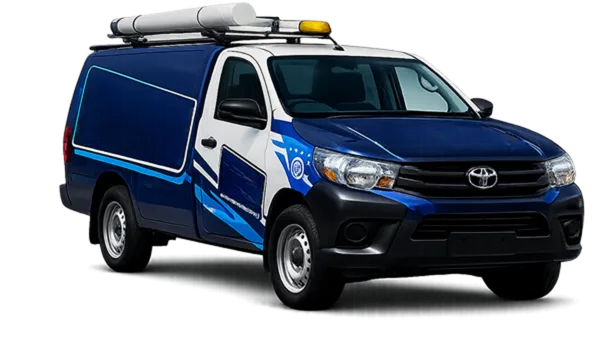
Emergency vans carry the usual suspects, pipe, valves, hoses, drain machines, because a fix that waits for a supplier is not an emergency fix.
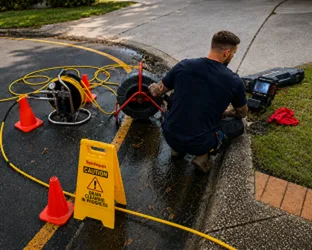
Damage stops first. Then the repair is priced, fixed, and you say yes or no with the number in front of you.

Almost always completed on the spot. Where a genuine part order is unavoidable, you are left sealed, safe and running until it arrives.
Describe it and let us make the call with you. Genuine can-wait jobs get booked at daylight rates, genuine emergencies get a crew now.
Call for the fastest response, any hour. Or send the form, after-hours enquiries get a callback from the on-call plumber, not an inbox.

Leave your details and our local Double Bay team will call you back fast.