
Connector & hose fixes, $100–$200
The brittle flexible connector behind the cooktop, a small part responsible for an outsized share of leaks.
Gas does not grade on a curve. A connection is either tested and certified or it is a liability with a warranty problem, so every gas job we do across Double Bay, from a cooktop swap to a full outdoor kitchen line, ends the same way: needle steady on the manometer, appliances burning blue, paperwork done.
NSW reserves every gas task, down to connecting an oven, for licensed gasfitters, and the logic is unsentimental: plumbing mistakes stain ceilings, gas mistakes burn houses and poison air. The leaks we attend have a recurring origin story, and it is rarely the pipework’s idea, it is a confident DIY connection or a handyman’s thread tape, discovered later by someone’s nose.
What the licence actually buys is the ending: the whole installation held against a manometer until the needle refuses to move, every appliance checked for a clean blue burn and honest ventilation, and the work done to AS/NZS 5601, the clause your insurer reaches for when something ever goes wrong. Across Double Bay and the Eastern Suburbs, no gas job of ours skips that ending.

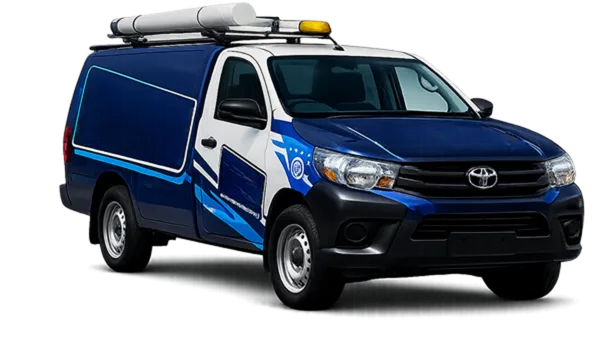
For a food business, gas is production. A cooktop out of service is not an inconvenience to schedule around, it is a menu that cannot be served.
Sizing is the quiet failure. Adding an appliance to a line that was adequate for the original load can starve everything else on it, so we check what the existing run can actually carry before extending it.
So we carry the common commercial failure parts and we work to your service times rather than ours. Where a part genuinely has to be ordered, you will hear that immediately along with what can be kept running in the meantime.
Meters and regulators on the weather side of a property near the water take the worst of it, and a corroded regulator is both a supply problem and a safety one.
With 76.6% of Double Bay dwellings recorded as flats or apartments by the ABS 2021 Census, most gas here is a cooktop, a balcony connection or a service running through common property rather than a full house installation.
Relocating or shielding a badly exposed meter assembly is straightforward work that is rarely done until something fails. If yours is green, crusted or streaked with rust, it is worth raising.
The procedure does not change because you have neighbours, but the urgency does, a leak in a shared building affects everyone on that riser.
In a block the line into your kitchen is usually the end of a service other homes depend on, so isolating, testing and proving that section still holds is part of even a simple cooktop swap.
Leave, take others with you, and call 131 909 from outside. Then notify the building manager. Do not attempt to isolate anything in a common meter room yourself; the network operator attends around the clock and that is what they are for.
Commercial premises get inspected, insured and sold, and all three ask for the same thing: documentation that the gas installation is compliant and who certified it.
Every job we do finishes with a compliance certificate, and for commercial clients we keep the history so the paperwork exists when a landlord, insurer or inspector asks for it rather than being reconstructed under pressure.
Double Bay is Sydney’s chic harbourside village (postcode 2028), a mix of boutiques, eateries and waterfront homes bordering Bellevue Hill, Point Piper and Darling Point. Between busy strips and older buildings, blocked drains are part of daily life here, and we know them well.
Pool heaters, outdoor fires and alfresco appliances are common on waterfront properties, and they are the largest gas loads most homes ever add. A pool heater alone can exceed the rest of the house combined.
So the first question is never the appliance, it is whether the meter and the run can carry it. That gets established before anything is ordered, because the alternative is an expensive heater that never reaches temperature.
In a block, the supply to the building and the risers are common property; the pipework and appliances inside your lot are generally yours. Individual meters may sit in a common meter room, which frequently confuses the question of access.
Establish it before arranging work. Anything on common property needs the owners corporation to authorise it, and a plumber cannot simply proceed because a resident asked.
The brittle flexible connector behind the cooktop, a small part responsible for an outsized share of leaks.
Leaking threads and valves sealed properly and proven again under pressure.
Corroded or damaged sections replaced; concealed lines needing access run $800–$2,500.
Connected, tested, certified. Extending a line or adding a bayonet to reach it is quoted on top, fixed, first.
Sydney's 2026 licensed-gasfitter range, call-outs typically $80–$150. The certificate at the end costs nothing extra, it is the job.
The receipt that matters is not paper: it is the needle on the manometer refusing to drop. Figures here are indicative of the 2026 Sydney market rather than a quote from us, you get your own number as a fixed price before any work starts.
Suspected leaks start with isolation at the meter and ventilation. Diagnosing a system still feeding its own leak is how amateurs get hurt.
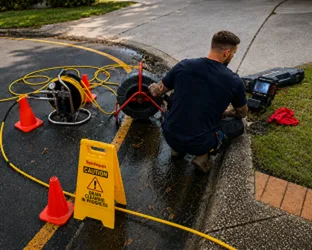
A manometer proves whether the installation loses pressure; detection fluid and instruments then walk it back to the guilty joint or run.

The failed piece is replaced with compliant material to AS/NZS 5601, one connector or a full rerun, never sealant and optimism.
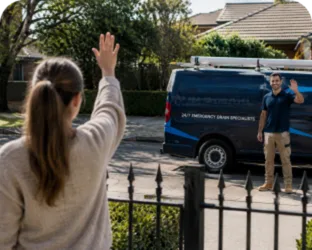
The whole installation holds on the gauge, appliances relight to clean blue flames, ventilation checks out, and the compliance record is yours.
New cooktop in its box, a bayonet that needs moving, or a smell you are not sure about: call and it gets done properly.
Licensed gasfitters, every job pressure-tested and certified. Smell gas right now? 131 909 first, then us.

Leave your details and our local Double Bay team will call you back fast.