
Straightforward clear, $150–$300
A blockage in the pan or its bend, cleared in one visit during business hours. Most single-toilet blockages sit here.
A toilet that will not flush is not a wait-and-see problem, especially in a one-bathroom home. We clear it same-day, find out why it happened, and fix running, leaking and constantly-blocking toilets properly across Double Bay.
A first-time blockage usually has a simple biography: wet wipes with marketing-department flushability, a cotton pad habit, something a two-year-old posted into the bowl. The right tool clears it in minutes and life resumes. Where households go wrong is the escalation path, hammering a plunger at something compacted deep past the S-bend, or tipping caustic chemicals in to sit against the porcelain waiting for the next person to plunge it into their face.
A toilet that blocks on a schedule is telling a different story, and it is rarely about the toilet at all. Between the mature street trees and the original earthenware sewers under Double Bay’s older streets, root intrusion is the usual author, with sagging pipe runs and scale-narrowed clay in supporting roles. That is a drain problem wearing a toilet costume, and it is why our repeat-blockage answer is a CCTV camera first: pay once to fix the cause instead of monthly to admire the symptom.
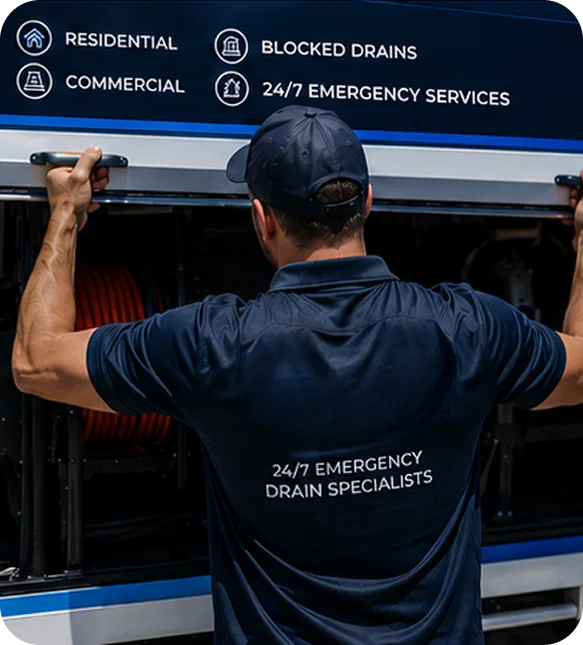

Double Bay’s many cafés and restaurants send fats and oils into the sewer, where they set hard. We clear grease-choked lines and keep them flowing.
For a business, the cost of a blocked toilet is rarely the plumbing bill, it is the hours you cannot trade. So the useful question on arrival is which fixtures we can keep usable while the work happens, not just how fast the whole job finishes.
Where the work genuinely cannot happen around trade, we will say so and book it outside your hours rather than half-fixing it during them.
Many blocks of flats and mixed-use buildings share drainage, so one blockage affects several units. A camera pinpoints the problem.
In an apartment this is the first thing to establish, because it decides who pays. A blockage in the pan or the branch serving only your bathroom is yours. A blockage in the stack or the line serving the building is the owners corporation's.
The quick tell: if your fixtures back up when nobody in your apartment is using water, or worse, when a neighbour runs theirs, the problem is downstream of your lot and it is not your bill.
Older homes and buildings still run on original clay and earthenware drains prone to cracks and sags. CCTV shows us exactly what’s going on.
Clay and earthenware were laid in short lengths with mortared or rubber-ring joints, and it is almost always the joints rather than the pipe that fail. Ground movement opens them a fraction, and a fraction is all a root or silt needs.
The pipe barrel itself is often in good condition after eighty years. That matters because it means the repair is usually about sealing joints, not replacing a run, a much smaller job than most people brace themselves for.
In premises with a kitchen, the toilet is often the thing that reports a problem that started somewhere else. Grease narrows the shared line downstream, and the fixture that backs up first is whichever one sits lowest, frequently the customer toilet.
So a blocked toilet in a food business is worth investigating past the pan. Clearing it without checking the trade waste line usually buys a few weeks.
A shared stack collects everything from every apartment on it, and a single household flushing wipes can block a line for forty other people. You will never know which one, and it does not matter, the fix is the same.
What does help is a note from the building manager to all residents after a stack blockage. It is the cheapest preventive measure available in a block and it is almost never done until somebody produces evidence of the cause.
A toilet used sixty times a day fails differently from one used six. Higher volume means more paper, more of what should not be flushed, and far less tolerance in a line that is already marginal.
For premises around Double Bay we would rather set a jetting interval than attend repeatedly at emergency rates. The camera tells us what the line can take, and the interval follows from that rather than from a guess.
A blockage in the pan or its bend, cleared in one visit during business hours. Most single-toilet blockages sit here.
A compacted or deeper blockage needing an electric eel or jetter time rather than hand tools.
The same jobs at night, on weekends or public holidays, once after-hours call-out and labour rates apply.
For repeat offenders: CCTV down the line to find the real cause. You see the footage, and any quote is built on it.
Running and leaking toilets are usually valves, washers and outlet seals, small parts, fixed same visit. A full new suite installed is quoted before anything is touched.
If it can safely wait for business hours, we say so on the phone, that one sentence is often worth $300. Figures here are indicative of the 2026 Sydney market rather than a quote from us, you get your own number as a fixed price before any work starts.

One toilet or every drain in the house? Overflowing now or just slow? That tells us the tools and the urgency, and you get a price picture before anyone drives.
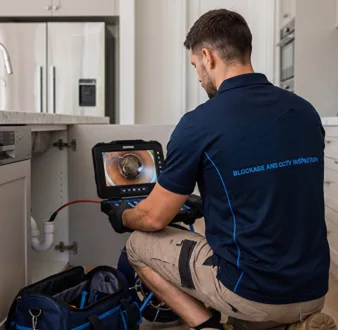
Drop sheets down first. Then the right tool for the blockage, closet auger for the pan, eel or jetter if it is sitting deeper in the line.
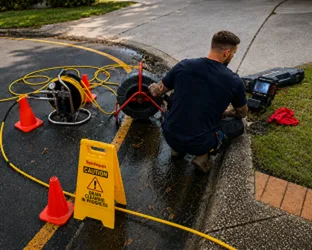
A first-time blockage with an obvious cause ends here. A repeat offender gets the camera, because the recurring ones are never about the toilet.

Roots cut and jetted, a damaged section relined, or a worn-out suite replaced: whatever the footage actually justifies, priced fixed before it starts.
One-bathroom household with a blocked toilet is an emergency in our book. Call, the line answers 24/7.
What Double Bay locals ask us before booking a toilet plumber.

Same-day clearing, the cause found, and a fixed price before work starts.

Leave your details and our local Double Bay team will call you back fast.